
Common Mistakes When Painting on Canvas (and How to Fix Them)
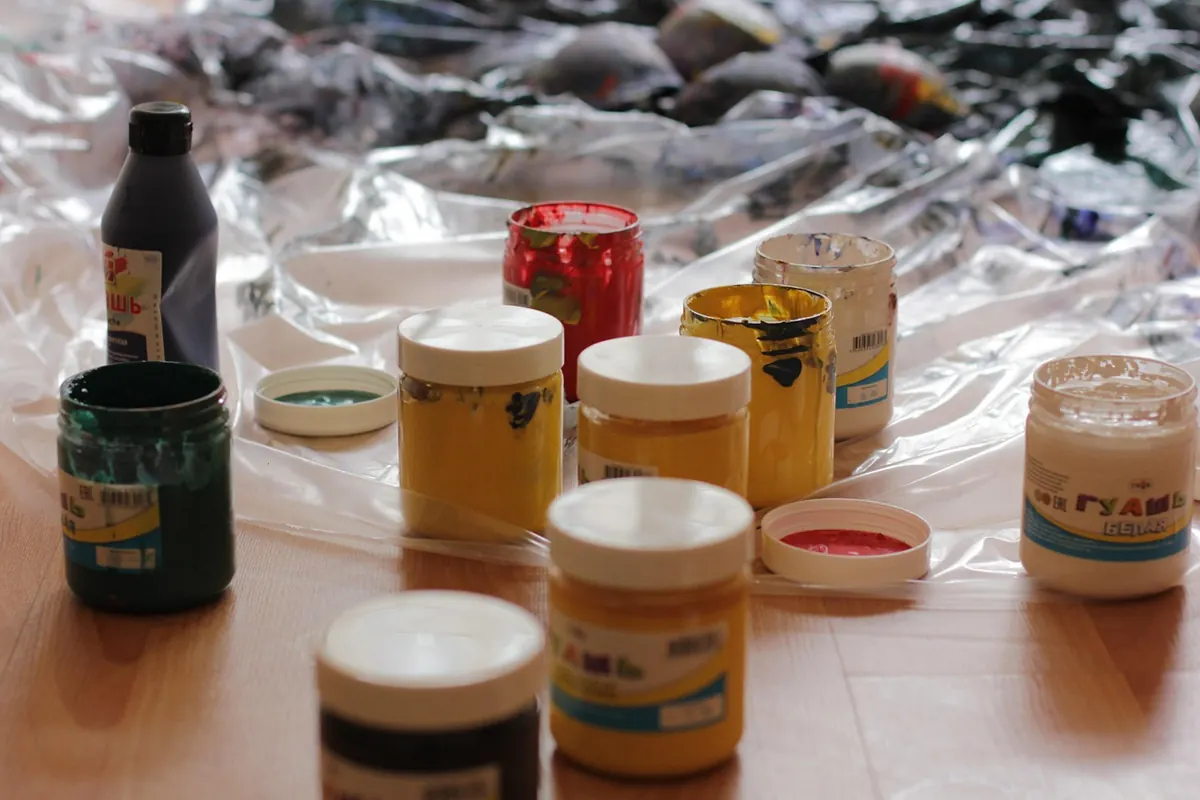
Most canvas problems are not mysterious. They are the same few habits repeating themselves: a surface that drinks the first layer of paint, a brush that keeps going long after the painting has stopped improving, a palette that has quietly turned to grey. The encouraging part is that nearly all of these faults can be corrected — sometimes on the painting in front of you, sometimes the next time you stretch a fresh canvas. Here are the mistakes that come up most often in the studio, why they happen, and what to do about each one.
Rushing the Primer
Manufacturers prime canvases so they can be sold, not so they can be painted on the moment you unwrap them. Many are prepared with a thin acrylic gesso that lets the weave show through and pulls your first layer down into the fabric. You can usually feel it while you work: the paint drags, colours look chalky, and the surface drinks your medium instead of holding it.
Give a new canvas two thin coats of gesso rather than one thick one, letting each dry fully. Sand lightly between coats with fine paper to knock back the texture of the weave — a few passes by hand is plenty — then dust it off. Painters working in oils will find an absorbent ground particularly awkward; a further coat of gesso, or a proper oil ground, gives the paint something to sit on rather than something to sink into.
Bare canvas deserves a mention too. Cotton duck straight from the roll will eventually be damaged by oil paint if it is left unsealed. Whatever you paint with, seal the fabric first.
Overworking the Surface
This is the fault most painters share. You adjust an edge, soften a transition, correct a colour that was already right. Twenty minutes later the area is a smudge of grey and the freshness has gone. Overworking almost never happens because you lack skill; it happens because you have not decided what the current pass is for.
So decide. Block in your shapes, then leave them alone. Come back when that layer is touch-dry and correct only what is genuinely wrong. Work a passage until it is nearly there, then stop — the last five per cent is usually better solved later with a single crisp mark on top. Step back to arm's length every few minutes, because distance shows what a nose against the canvas cannot. If you still cannot see it, turn the painting upside down. And if the urge to fiddle becomes unbearable, move to another part of the canvas rather than punishing the same square inch.
Muddy Colour and How to Keep It Clean
Mud rarely comes from bad paint. It comes from mixing too many pigments at once, from blending on the canvas rather than the palette, and from a brush that has been in three colours without a wipe. A few habits will protect you:
- Limit the palette. Four or five pigments will cover most subjects and keep mixtures predictable.
- Mix on the palette, then apply. Scrubbing two colours together on the canvas almost always produces a dull third.
- Wipe or rinse the brush between colour changes, even when the shift feels small.
- Keep your warms and cools on separate areas of the palette so you are not dragging them into each other.
- Add a strong or dark colour to a light one in small amounts, not the other way round. It is far easier to darken a tint than to rescue a muddy puddle.
If a passage has already turned, do not keep stirring it. Scrape it back with a palette knife, let it dry, and paint over it with cleaner colour. A fresh glaze or a single confident stroke over dry paint will do more for it than half an hour of blending.
Cracking, Flaking and Dull Patches
Paint cracks for fairly predictable reasons. The most common is a rigid, fast-drying layer sitting on top of a slower, more flexible one. In oils this is the old fat-over-lean principle working against you.
Fat over lean: each layer should contain more oil and less solvent than the one beneath it.
Break that rule and the top film dries first, then moves as the layer below shifts, and you get a web of fine cracks. Other culprits include thick impasto laid onto a glossy surface that gives it nothing to grip, a canvas that is not properly taut, and storage in a hot, dry room.
Fixes are unglamorous but effective. Re-tighten a slack canvas with keys or re-stretch it. Build in thinner layers and wait until the ground beneath is genuinely dry before piling paint on. If you like heavy texture, apply it on a surface that will support it.
Sinking in — those dull, matte patches where oil has drained into the ground — is not damage, just an absorbent surface. Oil it out with a thin coat of retouch varnish or a little linseed medium, or leave it and let the final varnish bring the colour back.
Acrylics That Dry Too Fast
Acrylics fail in their own way. They dry quickly, which is wonderful for layering and miserable for blending. If you are trying to soften a transition and the paint turns to rubber under the brush, you are fighting chemistry rather than technique.
Work with it instead. Use a retarder for soft edges, mist the canvas lightly with water, or keep a soft damp brush on hand for feathering. When a blend refuses to cooperate, let it dry and glaze a thin translucent wash over the top — layered softness often looks better than the wet blend you were chasing. Be careful with water as a thinner: too much breaks the binder and leaves a patchy, underbound film. Keep added water modest and reach for a medium when you want a real glaze.
A Practical Order of Work
Almost every fault above can be prevented by slowing down at the right moments rather than throughout. Try this sequence on your next canvas:
- Prepare the surface properly and let it dry completely.
- Plan your values roughly before you mix any colour.
- Block in shapes with a larger brush than feels comfortable.
- Stop, step back, and leave the block-in to dry.
- Refine in passes, keeping your mixtures clean and your layers thin.
- Resist heavy texture until everything underneath is sound.
- Varnish only when the painting is fully dry.
None of this will make a painting easy, and it is not meant to. It simply removes the problems that have nothing to do with what you are trying to say on the canvas.
Photo: Moroznaya_Photo / Pixabay